


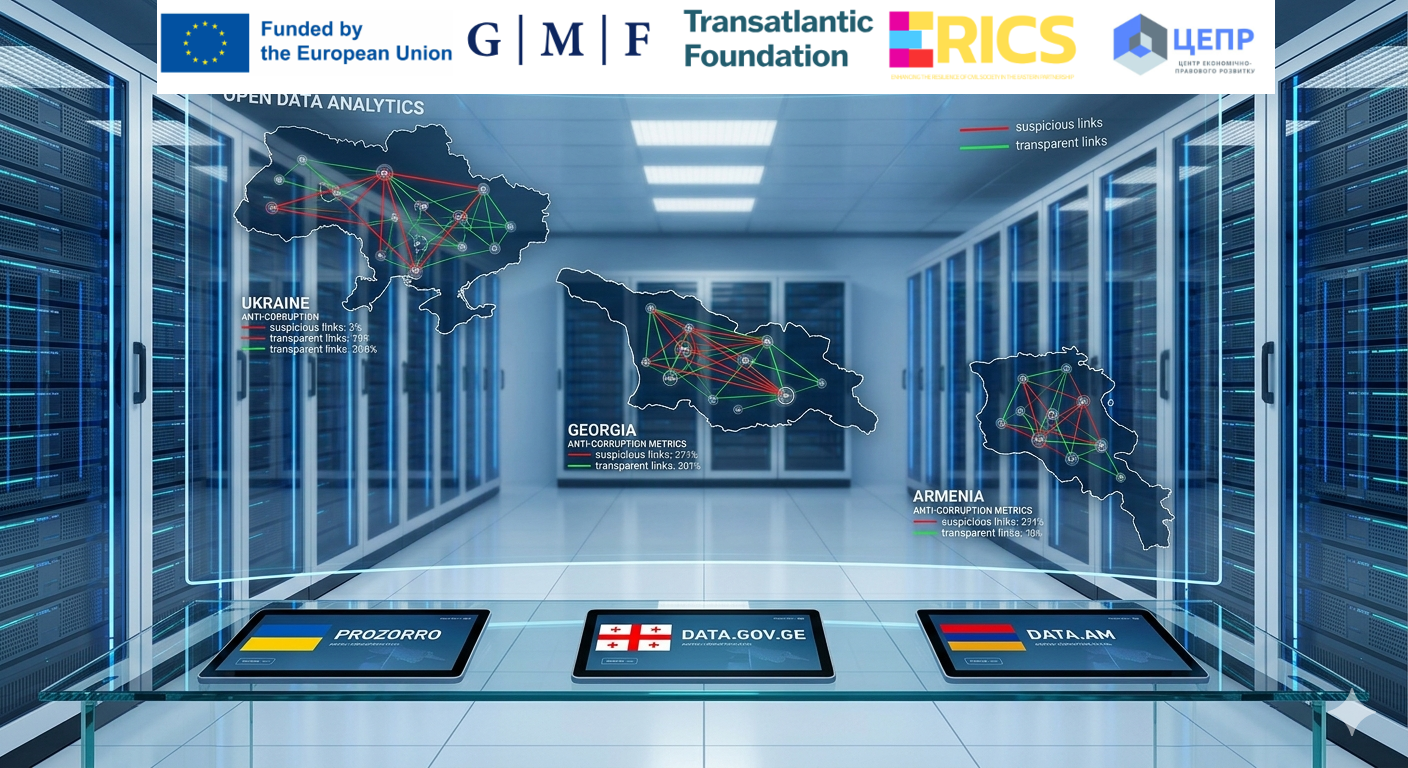
Introduction
Corruption remains one of the most pressing challenges in the modern world. It undermines economies, erodes trust in governments, and diminishes the quality of life for millions. According to Transparency International, annual losses due to corruption amount to trillions of dollars. However, a powerful tool has emerged in the fight against it—open data.
How Does Open Data Counter Corruption?
1. Transparency in Government Spending and Procurement
Many countries use open platforms to publish budget expenditure data. For example:
The European Union operates TED (Tenders Electronic Daily), which lists all public procurement contracts.
The United States uses USAspending.gov, allowing citizens to track how their tax dollars are spent.
Kenya launched Open Treasury, displaying government transactions in real time.
Such systems make it harder to conceal corrupt schemes since anyone can scrutinize who receives public funds.
2. Electronic Asset Declarations of Public Officials
In many countries, politicians and civil servants must publicly disclose their income and assets, helping to detect unjust enrichment.
Georgia, after reforms in the 2000s, introduced public declarations, significantly reducing corruption.
Brazil, following the Operation Car Wash scandal, strengthened oversight of officials’ assets through open databases.
3. Open Ownership and Beneficial Registers
Corruption often involves money laundering through shell companies. Public registers of real owners (beneficiaries) help combat this:
The UK maintains Companies House, where anyone can check business ownership.
Denmark and Norway publish citizens’ tax data, reducing tax evasion schemes.
4. Public Oversight and Data Journalism
Access to open data enables civil society and media to expose corruption:
The International Consortium of Investigative Journalists (ICIJ) used open data in the Panama Papers and Pandora Papers investigations, exposing tax evasion schemes by politicians and business elites.
India’s IGAAP platform allows citizens to report corrupt practices by officials.
Challenges and Limitations
While open data is a powerful tool, several obstacles limit its effectiveness:
Poor-quality or incomplete data—some governments publish information in inconvenient formats or with delays.
Cybersecurity and data privacy—transparency should not compromise citizens’ confidentiality.
Low digital literacy—many people lack the skills to analyze data, reducing its impact.
Conclusion: The Future of Anti-Corruption Efforts
Open data is not a cure-all, but it significantly enhances government transparency and provides tools to combat abuse. Global experience shows that: Countries with open data have lower corruption levels (according to Transparency International’s index). Civil society grows stronger when people can hold authorities accountable. Technology keeps advancing—AI and blockchain could make data even more transparent.
Transparency builds trust. The more governments open their data, the harder it becomes for corrupt actors to hide their schemes. The world is moving toward greater openness, offering hope for more effective global anti-corruption efforts.







Discussion about this post