

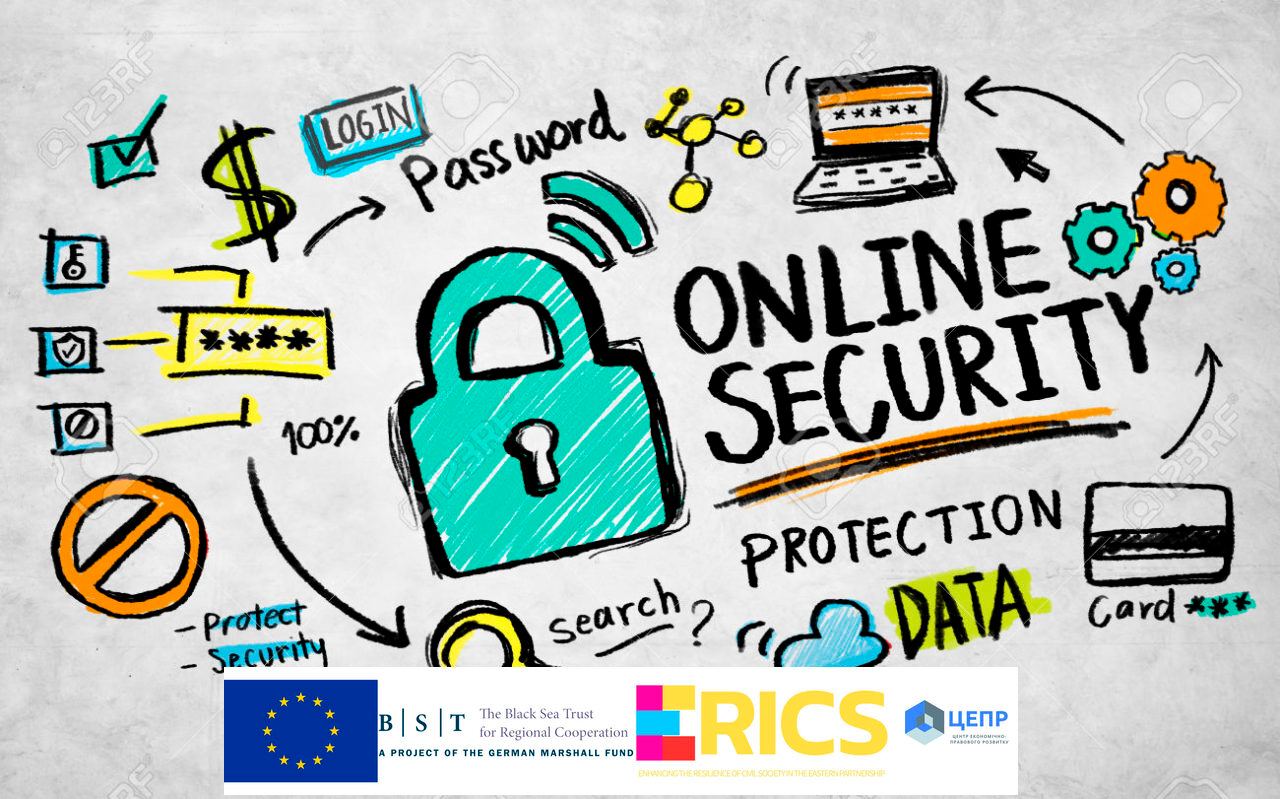
In today’s world, where the internet has become an integral part of life, protecting personal data and communication privacy is more critical than ever. Cybercriminals, government agencies, and even corporations can gain access to your information if you don’t take proper security measures.
This article explores key methods for safeguarding your data and ensuring secure online communication.
1. Use Strong Passwords and Password Managers
Weak passwords are one of the leading causes of data breaches. To avoid this:
Create complex passwords (at least 12 characters, with letters, numbers, and special symbols).
Never reuse the same password across multiple services.
Use password managers (Bitwarden, KeePass, 1Password) to store and encrypt your credentials securely.
2. Enable Two-Factor Authentication (2FA)
2FA adds an extra layer of security by requiring not just a password but also a code from an SMS, an authenticator app (Google Authenticator, Authy), or a hardware key (YubiKey).
3. Encrypt Your Data and Communications
For messaging, use encrypted apps (Signal, Telegram with “secret chats” enabled).
For email, choose services with PGP support (ProtonMail, Tutanota).
For file storage, apply encryption (Cryptomator, VeraCrypt).
4. Keep Your Software Updated
Outdated operating systems, browsers, and apps often contain vulnerabilities. Install updates regularly to close security loopholes exploited by hackers.
5. Use a VPN for Online Anonymity
A VPN (Virtual Private Network) hides your IP address and encrypts internet traffic. This is especially important when using public Wi-Fi networks.
6. Beware of Phishing Attacks
Scammers may send emails or messages impersonating legitimate services (banks, social networks). To avoid fraud:
Do not click on suspicious links.
Verify the sender’s address.
Avoid downloading files from untrusted sources.
7. Limit Data Exposure on Social Media
Regularly review privacy settings on social networks to restrict public access to your personal information.
8. Use Secure Operating Systems
If you need a higher level of security, consider privacy-focused operating systems (Tails, Qubes OS, Linux with encryption).
Conclusion
Digital security is not a one-time effort but an ongoing process. Using strong passwords, encryption, VPNs, and practicing caution online will help protect your data from leaks and misuse. Start with simple steps today to avoid serious problems in the future. Stay safe—your data is valuable!

{{current_weather.dt | momentjs( atts.date )}}
{{current_weather.temp | temp}} °{{units}}
{{day.dt | momentjs(atts.date)}}
{{day.temp | temp}} °{{day.temp_min | temp}} °{{units}}
Digital Security: How to Protect Your Data and Communications?







The website was created with the financial support of the European Union and the Black Sea Trust for Regional Cooperation.

Discussion about this post