

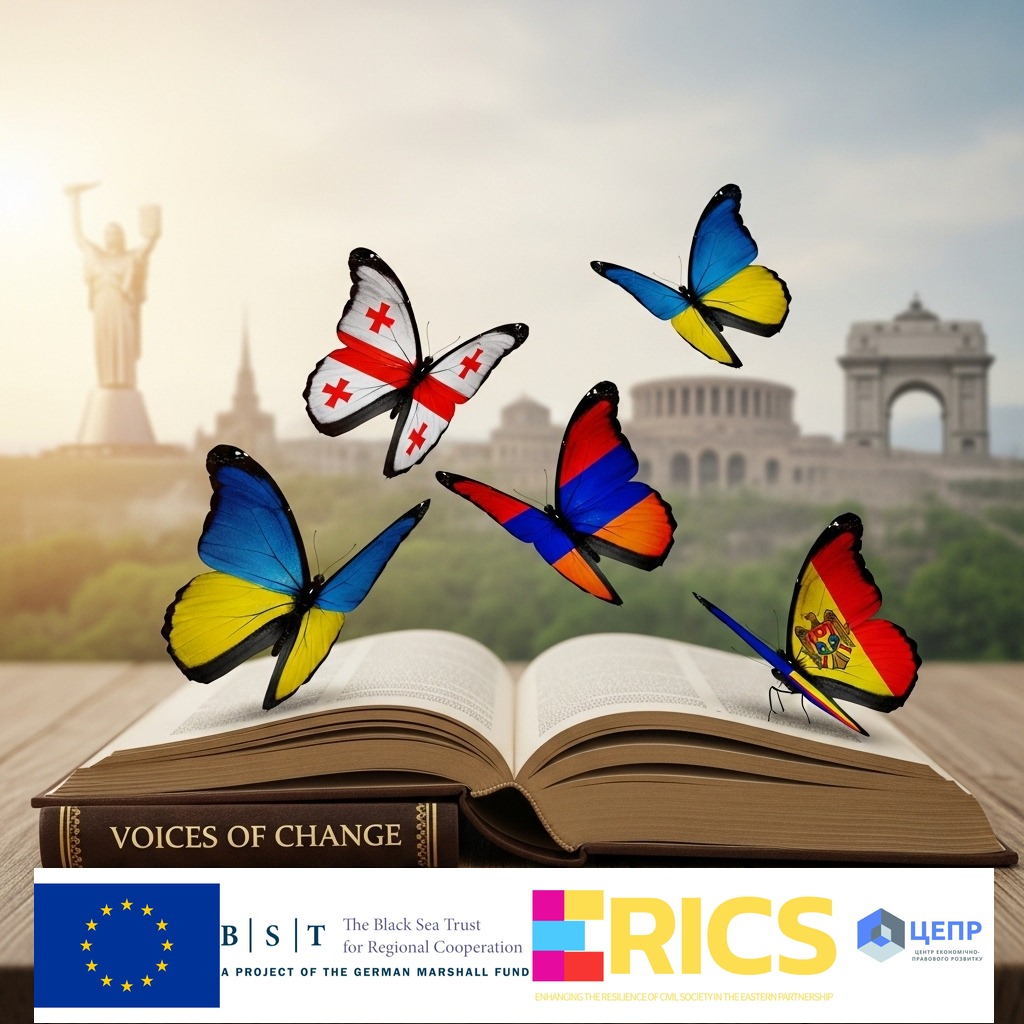
Freedom of speech is a cornerstone of democracy, enabling societies to hold governments accountable, expose corruption, and defend human rights. In Eastern European countries like Ukraine, Georgia, Armenia, and Moldova, this freedom faces constant challenges—from political pressure to propaganda and external threats. Yet, civil society plays a crucial role in protecting free speech, supporting independent media, and ensuring transparency.
1. Ukraine: Defending Free Speech During War and Before
After the Revolution of Dignity (2014), Ukraine strengthened protections for free speech but faced new challenges—propaganda, occupation of territories, and martial law.
Civil Society Oversight: Organizations like Detector Media and the Institute of Mass Information monitor press freedom violations, debunk disinformation, and protect journalists.
The Role of Social Media: During Russia’s full-scale invasion (2022), Ukrainian media and bloggers became key information sources, while Russian propaganda channels were blocked.
Pressure from Russia: In occupied territories, independent journalists face persecution, highlighting the need to support free media.
2. Georgia: Fighting Propaganda and Oligarchic Influence
In Georgia, free speech is under pressure from both pro-Russian forces and oligarch-controlled media.
2023 Protests: The government attempted to pass a “foreign agents” law threatening NGOs and independent media. Mass protests forced its withdrawal—a victory for civil society.
Independent Media Outlets: TV Pirveli and Formula TV investigate corruption despite political pressure.
3. Armenia: From Controlled Media to Reform
After the 2018 Velvet Revolution, Armenia moved toward greater media freedom, but challenges remain.
Countering Propaganda: During the 2020 Karabakh conflict, Armenian media faced disinformation from Azerbaijan and Russia. Independent platforms (Hetq, CivilNet) provided alternative reporting.
Journalist Intimidation: In 2023–2024, opposition media faced pressure, but activists and watchdogs continue defending free speech.
4. Moldova: Between European Aspirations and Russian Influence
Like Ukraine, Moldova faces Russian disinformation, but civil society resists effectively.
Combating Propaganda: After Russia’s invasion of Ukraine, Moldova blocked dozens of pro-Kremlin channels spreading disinformation.
NGOs’ Role: Groups like WatchDog.MD and the Investigative Journalism Center expose corruption and defend independent media.
Conclusion: Civil Society as the Guardian of Free Speech
The experiences of Ukraine, Georgia, Armenia, and Moldova prove that without an active civil society, freedom of speech is at risk. Independent media, human rights groups, and social networks serve as the last line of defense against censorship, propaganda, and authoritarianism. Supporting these institutions is key to preserving democracy in the region.

{{current_weather.dt | momentjs( atts.date )}}
{{current_weather.temp | temp}} °{{units}}
{{day.dt | momentjs(atts.date)}}
{{day.temp | temp}} °{{day.temp_min | temp}} °{{units}}
Freedom of Speech and the Role of Civil Society: Lessons from Ukraine, Georgia, Armenia, and Moldova


The website was created with the financial support of the European Union and the Black Sea Trust for Regional Cooperation.

Discussion about this post